
The Best Time of Year to Visit Sedona (And Why It Looks Even Better From the Air)
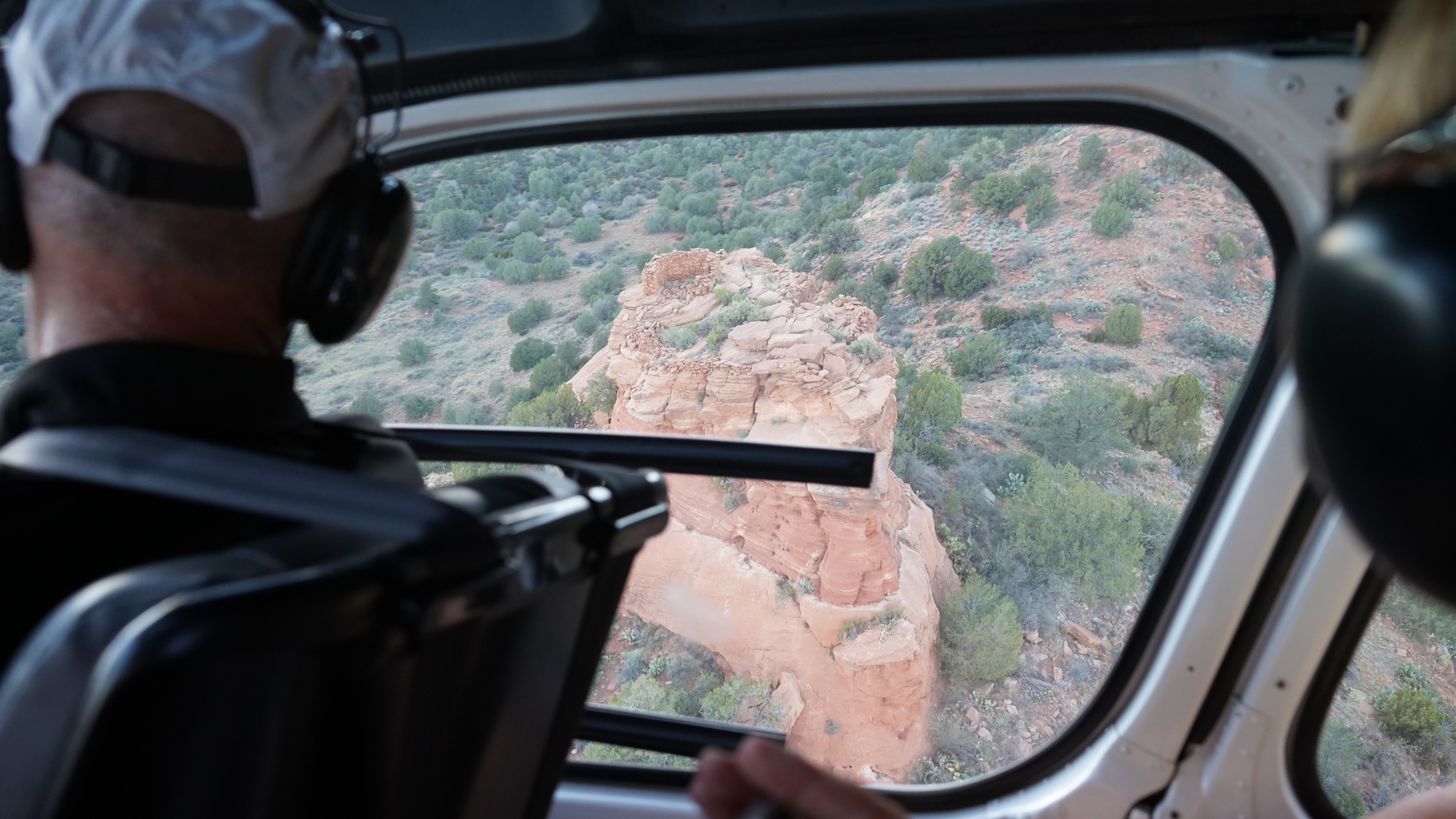
Sedona is one of those rare destinations that feels dramatic in every season. The red rock formations never lose their impact, but the way they interact with light, weather, and color changes throughout the year.
If you are planning a trip and wondering about the best time to visit Sedona, the honest answer is that it depends on what kind of experience you want. Spring brings contrast and energy. Summer offers glowing sunsets and long days. Fall adds warmth and quieter trails. Winter delivers crisp air and occasional snow-dusted red rock landscapes.
And while Sedona is stunning from the ground, seeing it from above changes everything.
Here is what each season offers and why an aerial view makes it even more unforgettable.
Spring in Sedona: Vibrant Contrast and Ideal Weather
Spring is often considered one of the best times to visit Sedona. From March through May, temperatures are comfortable, typically ranging from mild mornings to pleasantly warm afternoons. It is ideal hiking weather, and the desert begins to show signs of renewal.
Wildflowers may bloom in certain areas, and the greenery along Oak Creek becomes more noticeable against the deep red rock formations. The contrast between plant life and stone is especially vivid in spring.
From the air, that contrast becomes even more striking.
A helicopter tour during spring highlights:
- The sharp color difference between red rock, green vegetation, and blue sky
- Seasonal water flow in creeks and canyons
- The full scale of Sedona’s layered cliffs and mesas
Spring light is also softer than summer light, which enhances the depth and texture of the rock formations. Photographers often appreciate the balanced lighting during this time of year.
If you are looking for comfortable temperatures and vibrant scenery, spring is hard to beat.
Summer in Sedona: Golden Light and Expansive Views
Summer in Sedona is warmer, with daytime temperatures often climbing into the 90s. While midday hiking can be intense, mornings and evenings are beautiful.
This is when Sedona’s red rocks truly glow.
The long summer days create dramatic lighting conditions, especially near sunset. The cliffs reflect golden and orange tones that feel almost surreal. Monsoon season, typically beginning in July, can also bring dramatic cloud formations that add depth to the skyline.
From the ground, you see color. From the air, you see atmosphere.
A helicopter tour in summer offers:
- Sweeping views under wide, dramatic skies
- The interplay of sunlight and shadow across canyons
- Stunning sunset perspectives that stretch for miles
Because helicopters can access remote areas quickly, you avoid long exposure to heat while still seeing expansive terrain. It is one of the most comfortable ways to take in Sedona during warmer months.
If you love bold skies, vivid sunsets, and dramatic photography opportunities, summer offers a unique advantage.
Fall in Sedona: Warm Tones and Fewer Crowds
Fall is another favorite for visitors. Temperatures cool gradually from September through November, making it comfortable for outdoor exploration again.
The desert landscape shifts subtly in fall. Cottonwood trees near Oak Creek may display yellow and gold tones, adding another layer of color to the scenery. The crowds from peak summer travel often begin to thin, creating a more relaxed atmosphere throughout town.
From the air, fall has a distinct richness.
You notice:
- The golden accents along waterways
- Long afternoon shadows that emphasize rock texture
- Clear skies that stretch endlessly across northern Arizona
The lighting in fall is particularly dynamic. As the sun lowers in the sky earlier in the day, the shadows deepen the natural contours of formations like Cathedral Rock and Bell Rock.
A helicopter perspective makes those contours unmistakable. You see how the formations rise from the desert floor and how erosion has carved them into intricate shapes over millions of years.
If you prefer slightly cooler temperatures and a calmer travel season, fall is an excellent time to visit Sedona.
Winter in Sedona: Quiet Beauty and Snow on Red Rock
Winter may surprise you.
From December through February, Sedona experiences cooler temperatures, often ranging from the 40s to 60s during the day. While snow is not constant, occasional dustings transform the landscape in extraordinary ways.
When snow settles on red rock formations, the contrast is unforgettable. White snow highlights ridgelines and ledges, tracing the contours of the stone in ways you do not normally see.
From the air, that effect is magnified.
A winter helicopter tour reveals:
- Snow-lined mesas and cliff edges
- Crisp, clear visibility after winter storms
- A quieter, more peaceful desert landscape
Winter air tends to be clearer, which can result in exceptional long-distance visibility. The atmosphere feels sharp and still, and the red rocks stand out dramatically against pale skies.
For travelers who prefer fewer crowds and unique scenery, winter can feel almost private.
Why Sedona Always Looks Better From the Air
No matter when you visit, Sedona’s defining feature is its scale.
From the ground, you experience the rocks one formation at a time. You stand beneath them, hike around them, and photograph them from fixed viewpoints.
From the air, you understand them.
You see:
- How mesas connect across the landscape
- How deep canyons cut through the terrain
- How the red rock formations rise from the desert floor
- How sunlight moves across the cliffs throughout the day
A helicopter tour allows you to appreciate the geography of Sedona as a whole. The patterns of erosion, the layering of stone, and the vastness of the high desert become clear.
Each season enhances that perspective in a different way. Spring intensifies color contrast. Summer heightens drama. Fall enriches texture. Winter sharpens clarity.
And in every season, the aerial experience feels elevated in more ways than one.
So When Is the Best Time to Visit Sedona?
If your priority is mild weather and vibrant contrast, spring may be your ideal season.
If you want dramatic sunsets and bold skies, summer delivers unforgettable visuals.
If you prefer cooler air and fewer crowds, fall offers comfort and balance.
If you are drawn to quiet landscapes and the possibility of snow-dusted red rocks, winter provides a rare and striking view.
The truth is that Sedona does not have a bad season. It simply offers different personalities throughout the year.
Experience Every Season with Apex Air
At Apex Air, we believe Sedona’s beauty is best understood from above. Each season reveals something different, and our tours are designed to showcase the most iconic formations and dramatic landscapes from a perspective few people experience.
Whether you are visiting in the bloom of spring, the glow of summer, the warmth of fall, or the quiet clarity of winter, a helicopter tour adds depth to your trip.
If you are planning your visit and deciding the best time to explore Sedona, consider not just the temperature, but the vantage point.
Because no matter the season, Sedona looks even better from the air.
Frequently Asked Questions About Visiting Sedona
What month is best to visit Sedona?
Many travelers consider March through May and September through November the best times to visit Sedona due to comfortable temperatures and ideal outdoor conditions. However, Sedona offers unique scenery in every season, from vibrant spring contrast to snow-dusted red rocks in winter.
Is Sedona too hot in the summer?
Summer temperatures can reach the 90s during the day, especially in June and July. Early mornings and evenings are much more comfortable, and activities like a helicopter tour allow you to enjoy panoramic views without prolonged exposure to the heat.
Does it snow in Sedona?
Yes, Sedona occasionally receives snowfall during the winter months. While snow is not constant, when it does fall it creates a striking contrast against the red rock formations, offering one of the most unique views of the year.
Is a helicopter tour available year-round in Sedona?
Yes. At Apex Air, helicopter tours operate year-round, weather permitting. Each season offers a different visual experience, making aerial tours a memorable addition to your Sedona itinerary no matter when you visit.